Respite
Short-term support that gives family caregivers a genuine, planned break.
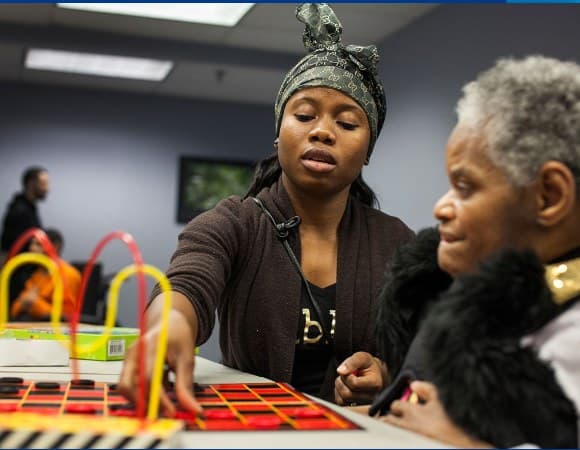
Respite provides short-term support so that the family members and caregivers who provide most of someone’s care can take a break. It might be a few hours, an evening, a weekend, or longer, and it can be planned around something specific like a hospital appointment, a wedding or a vacation.
Respite is not a sign that a family is struggling. It is part of how families keep going for the long term, and the families who use it regularly are usually the ones who are able to keep caring at home for years.
During respite the person is properly supported, not simply supervised. Routines are followed, plans are kept, and the aim is that they enjoy the time rather than just get through it.
Who may benefit
Respite may help families and caregivers who provide day-to-day support at home and who need reliable cover so they can rest, work, travel or attend to other commitments.
It can also be a gentle first step for a family who is beginning to think about other kinds of support and wants to try something short-term first.
Examples of support
- Planned cover for a few hours, a day, or several days
- Support in the person’s own home or in another approved setting
- Personal care, meals and medication support as usual
- Keeping to familiar routines and plans
- Activities the person actually enjoys
- Cover arranged around appointments, work or family events
What this service does not cover
Respite is a planned, short-term service. It is not an emergency placement service, and it is not a substitute for urgent medical or mental-health care.
The amount of respite available is set through the individual plan and program authorization, not by us. Availability also depends on staffing and on how much notice we have, so we ask families to plan ahead where they can.
Ready to talk?
Tell us a little about your situation and we will help you understand the options.